
Understanding the psychology behind why we gamble A deep dive into human behavior
One of the primary reasons people gamble lies in the thrill of uncertainty. The unpredictable nature of games, whether they are poker, slots, or sports betting, creates a unique emotional high. This excitement can activate the brain’s reward system, releasing dopamine, the same neurotransmitter that fuels feelings of pleasure and satisfaction. As a result, individuals often seek out the gambling experience repeatedly to chase that exhilarating sensation. Many players find themselves drawn to the best real money online pokies available, as these provide an avenue for both excitement and potential rewards.
This thrill is compounded by the concept of risk-taking. Many gamblers perceive themselves as adventurers, willing to embrace the unknown in pursuit of potential rewards. This mindset can lead to a series of decisions driven by emotion rather than rational thought, reinforcing the cycle of gambling behavior.
Social dynamics significantly impact gambling behavior. Many individuals are introduced to gambling through friends or family, often framing it as a fun social activity. This communal aspect can create a sense of belonging, as gamblers bond over shared experiences and the anticipation of winning. Social settings can amplify the excitement, making the act of gambling more appealing than it might be in isolation.
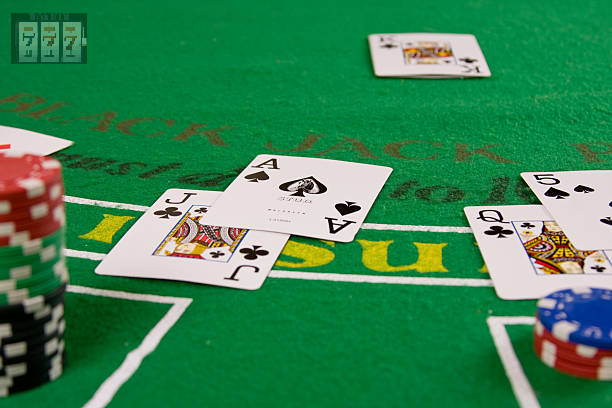
Another psychological factor at play is the illusion of control. Many gamblers believe they can influence the outcome of games, particularly in games of skill such as poker or blackjack. This perception can lead them to engage more deeply, as they feel empowered to make decisions that will impact their success. However, this belief often overlooks the fundamental randomness inherent in gambling.
For many, gambling serves as a form of escape from everyday life. Stress, anxiety, and feelings of inadequacy can drive individuals to seek solace in gambling, providing a temporary reprieve from their problems. The immersive nature of gambling can be an effective distraction, allowing players to forget their concerns while they immerse themselves in the thrill of the game.
Understanding the psychology behind gambling can help individuals navigate their choices more wisely. It’s essential to recognize the underlying motivations driving gambling behaviors, whether they are related to thrill-seeking, social influences, or emotional escape. By gaining insight into these factors, players can make more informed decisions about their gambling habits.

